By vehicle
Engine oil for turbo engines: Tracker, Onix, Tiggo, Jolion and LSPI
What is hard on oil in a turbo engine
- The turbocharger. Its shaft spins at more than a hundred thousand revolutions per minute and is lubricated and cooled by the engine oil itself. In a hot turbocharger poor oil leaves coke deposits.
- High pressure. Big power is drawn from a small displacement, so the load on pistons and bearings is high.
- Direct injection. Fuel can reach the cylinder wall and mix into the oil.
What LSPI is
LSPI (Low-Speed Pre-Ignition) is pre-ignition at low rpm. When the throttle is wide open at low rpm, the mixture ignites by itself before the spark plug fires; the resulting powerful knock can damage the piston and connecting rod.
Research has shown that one of the causes is the oil composition: oil droplets that reach the cylinder become a source of ignition, and calcium detergent additives make it worse. As a result:
- in 2018 the interim API SN Plus grade appeared;
- in 2020 an LSPI test became a permanent requirement in API SP and ILSAC GF-6;
- in API SQ of 2025 this test is also run on aged oil.
More on grades: API grades.
What the manuals say
Model | Requirement | Viscosity | Capacity, with filter | Change interval |
|---|---|---|---|---|
Chevrolet Tracker 1.2T | dexos1 Gen 3, fully synthetic | 0W-20 | 4.0 L | 5,000 km or 6 months |
Chevrolet Onix 1.2T | dexos1 Gen 3, fully synthetic | 0W-20 | 4.0 L | 5,000 km or 6 months |
Chery Tiggo 7 Pro 1.5T | API SN and higher | 5W-30, 5W-40 | 4.7 L | 10,000 km; 5,000 km under severe conditions |
Haval Jolion 1.5T | API SN and higher, or ACEA C2, fully synthetic | 5W-30 | 3.8 L | per the manual |
The source is the official manuals of UzAuto Motors, Chery Uzbekistan and Haval. Check the edition that matches your car's year and trim.
In the KORTEX catalog
For turbo engines that call for API SP or SQ: RT7 5W-30 and RT7 5W-40, whose labels state API SP, ACEA A3/B4; and RT7 PLUS 5W-30, API SQ, ILSAC GF-7A.
Looking after a turbo engine
- Do not stretch the oil interval: the turbocharger is very sensitive to aged oil.
- Check the level regularly: a little oil consumption is normal in turbo engines.
- After fast driving or driving under load, do not switch the engine off at once: idle for about a minute to let the turbocharger cool.
- Do not rev a cold engine hard.
- Do not press the throttle fully at low rpm in a high gear: this is exactly where LSPI occurs.
- Use gasoline of the octane rating given in the manual.
FAQ
Does thicker oil protect a turbocharger better?
No. Turbocharger bearings are designed for the viscosity in the manual; thick oil reaches them later in the cold. Protection comes from the right quality class and timely changes, not from viscosity.
If I use oil that is not API SP, will LSPI definitely happen?
Not definitely, but the risk goes up. That is why oil of an older grade is not recommended for turbo and direct-injection engines.
Sources
- API — Oil Categories
- Chevrolet Tracker and Onix owner's manuals (UzAuto Motors)
- Chery Tiggo 7 Pro owner's manual (Chery Uzbekistan)
- Haval Jolion owner's manual (Haval)
- Industry publications on LSPI (Lubes'n'Greases)
Related products
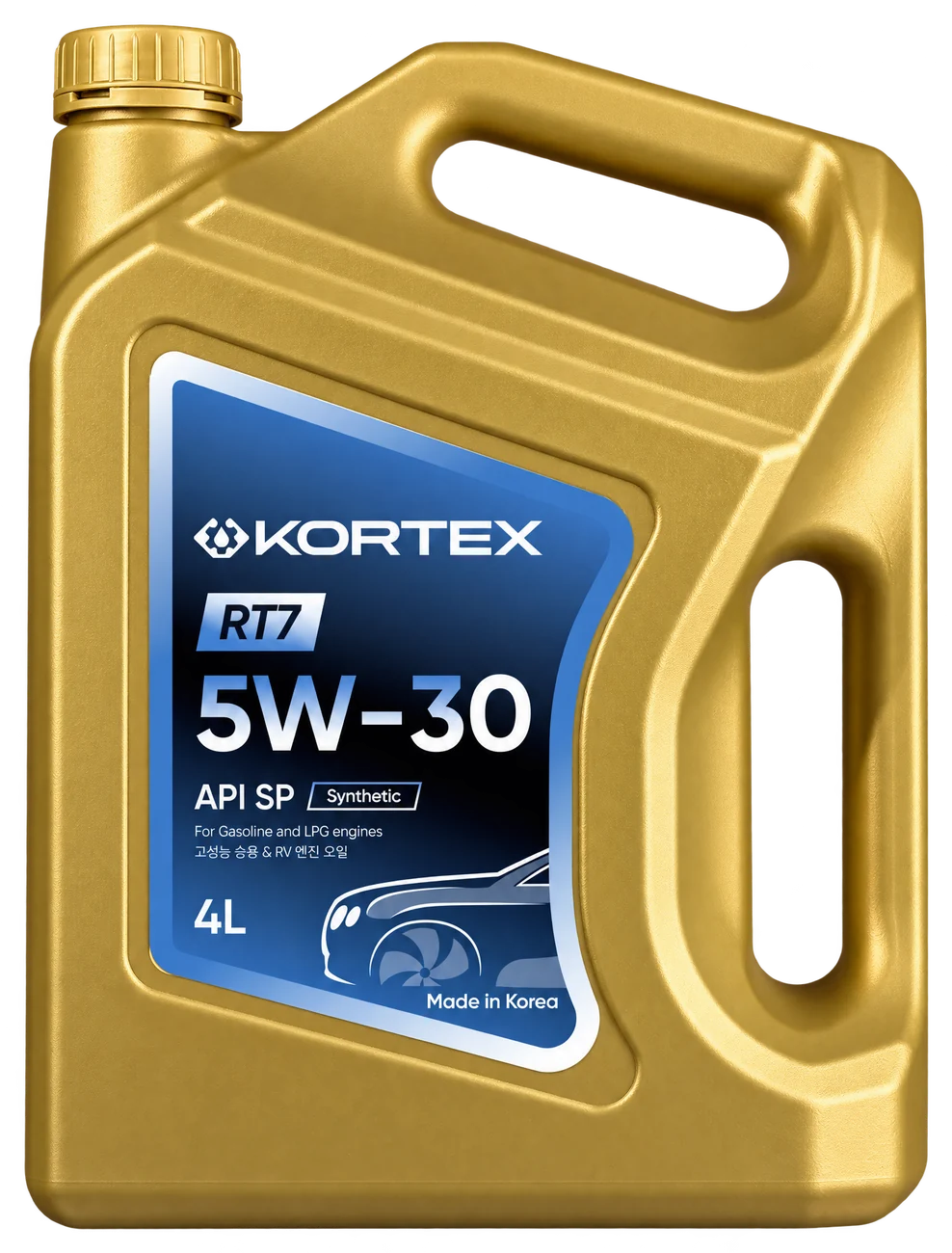
RT7 5W-30 API SP / ACEA A3-B4
API SP · ACEA A3/B4
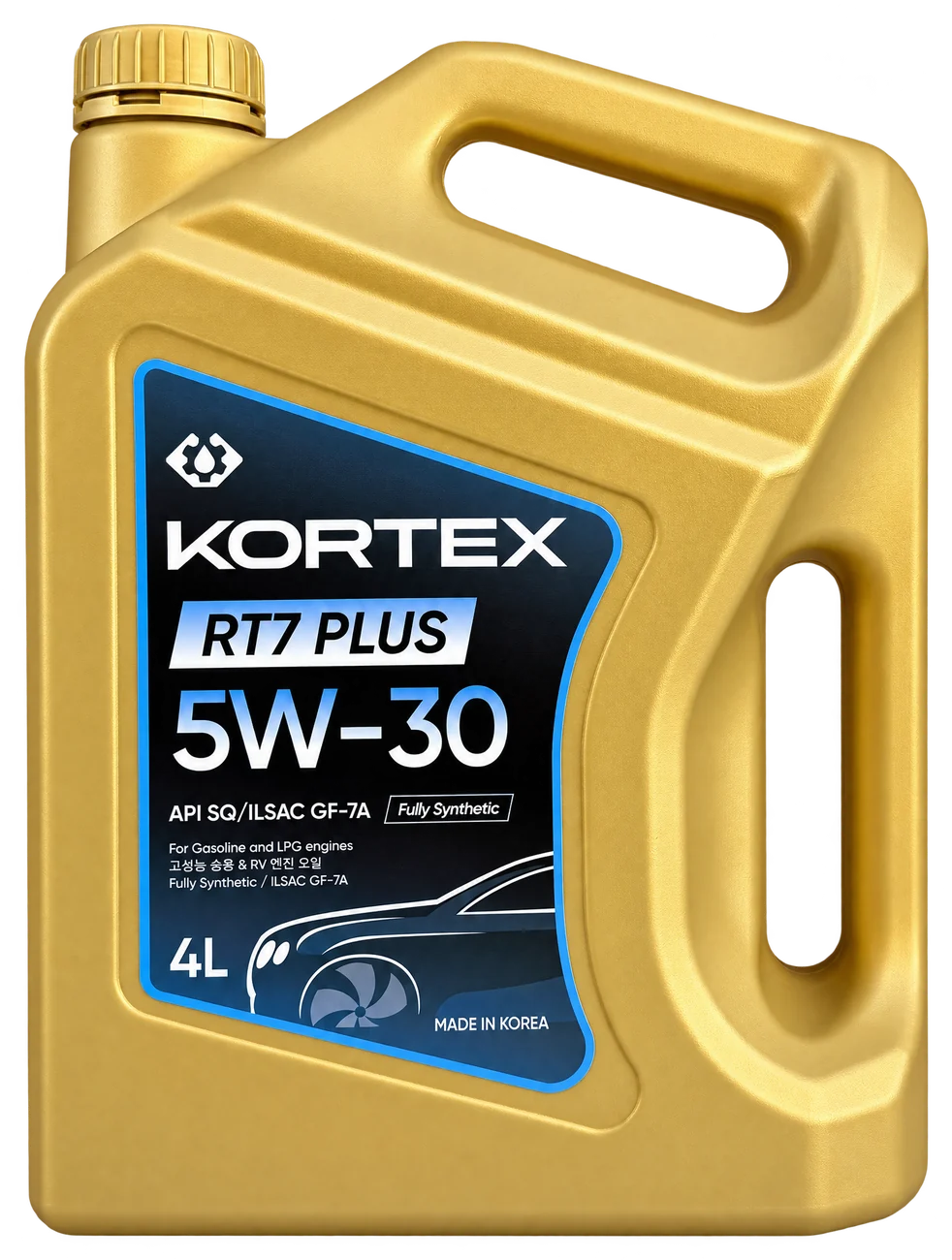
RT7 PLUS 5W-30 API SQ / ILSAC GF-7A
API SQ · GF-7A
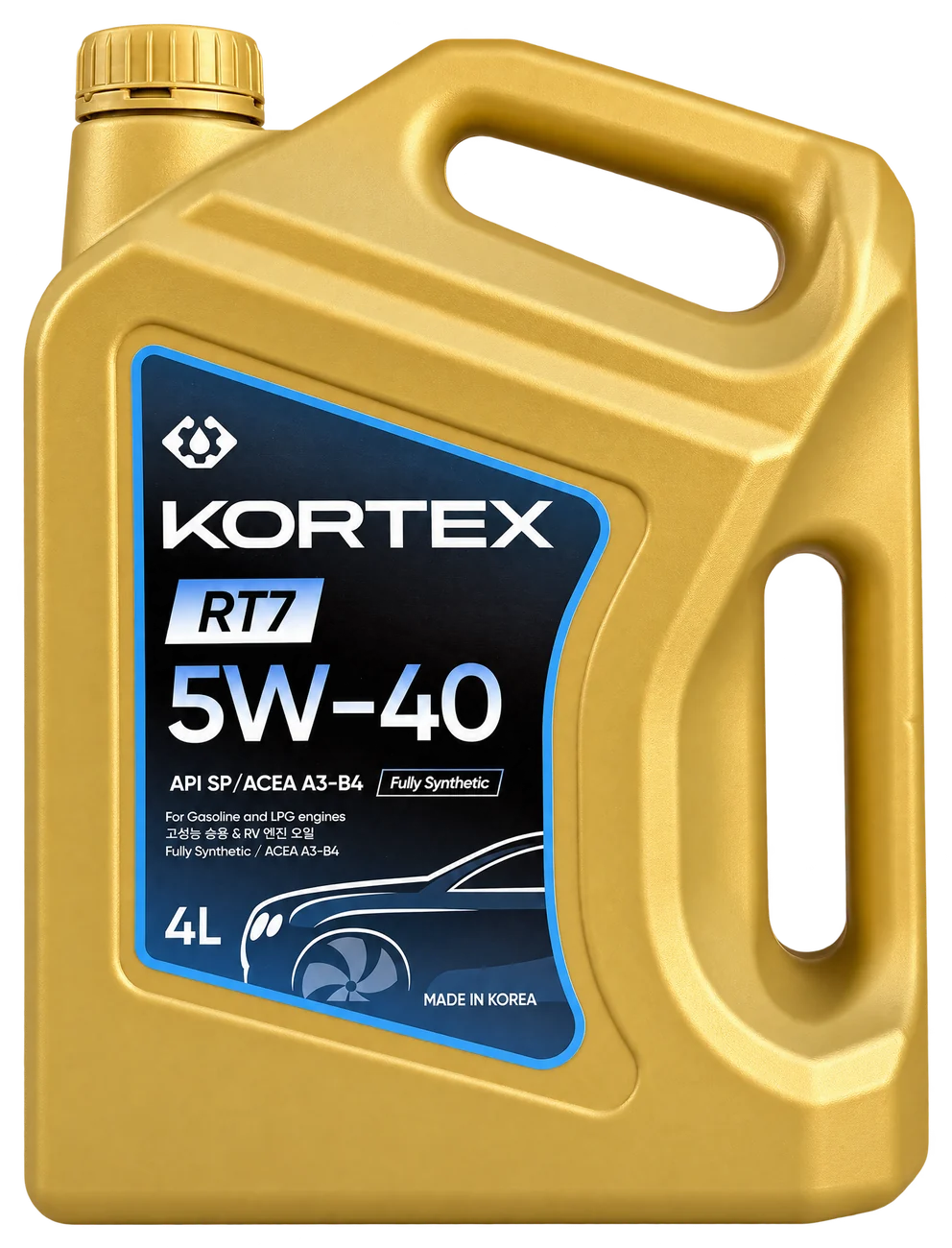
RT7 5W-40 API SP / ACEA A3-B4
API SP · ACEA A3/B4
More in this section
- Engine oil for Cobalt, Nexia 3 and Gentra: which grade, how many liters, how often
- Engine oil for Damas and Labo: which grade, how many liters, when to change
- Engine oil for cars running on methane (CNG) and propane (LPG)
- 0W-20 oil for hybrid cars: BYD Song Plus and Chazor DM-i
Still have a question?
Our manager will help you choose an oil.