Basics: grades and classes
API SN, SP and SQ explained: what gasoline engine oil grades mean
The API (American Petroleum Institute) grade shows which tests the oil has passed: how clean it keeps the engine, how well it protects against wear, how well it resists oxidation. It has nothing to do with viscosity, which is shown in the SAE grade.
Grades for gasoline engines
Grade | API description | Main new feature |
|---|---|---|
SJ | engines of 2001 and earlier | — |
SL | 2004 and earlier | against high-temperature deposits |
SM | 2010 and earlier | oxidation resistance, wear protection |
SN | 2020 and earlier | piston cleanliness, compatibility with seals |
SP | from May 2020 | protection against LSPI, chain wear, deposits |
SQ | from 31 March 2025 | LSPI test also on aged oil, tighter limits |
API has declared SH and earlier grades obsolete.
What SP changed
In small turbocharged engines a phenomenon called LSPI occurs: pre-ignition at low rpm, where the mixture ignites before the spark plug fires and hammers the piston. API SP added a test against this, and also a test for timing chain wear. More in engine oil for turbo engines.
What SQ added
The SQ grade was introduced together with the ILSAC GF-7 standard. The LSPI test is now run on aged oil as well as new oil, and the limits for chain wear and deposits are tighter. GF-7A is for the usual grades such as 0W-20 and 5W-30; GF-7B is for 0W-16 only.
Extra markings on the label
- SN/CF, SP/CF. The second part is a diesel grade. CF is obsolete; when choosing for a modern diesel, look at ACEA or API CI-4/CK-4 instead: diesel oil grades.
- RC (Resource Conserving). Shows that additional requirements for fuel economy and exhaust system protection are met.
- ILSAC GF-6A, GF-7A. Requirements of American and Japanese car makers; they go together with the API grade.
How to choose
The manual will say something like "API SM or higher". An oil of that grade or a newer one is suitable. The reverse is not true: you cannot put SL oil in a turbo engine that calls for SP.
In the KORTEX catalog: RT7 PLUS 5W-30 and RT7 0W-20 carry API SQ and ILSAC GF-7A; RT7 5W-30 and RT7 5W-40 carry API SP; PURPLE 5W-30 carries API SN. The grades are given as shown on the product label.
FAQ
Can I put API SP oil in an older car?
Yes. The newer S grades include the requirements of the earlier ones. What matters is to keep to the viscosity grade in the manual.
If the API grade is higher, can I change the oil less often?
No. The car maker sets the change interval and the grade does not extend it. More in oil change interval.
Sources
- API — Oil Categories
- API SQ and ILSAC GF-7: licensing from 31 March 2025 (API announcement)
Related products
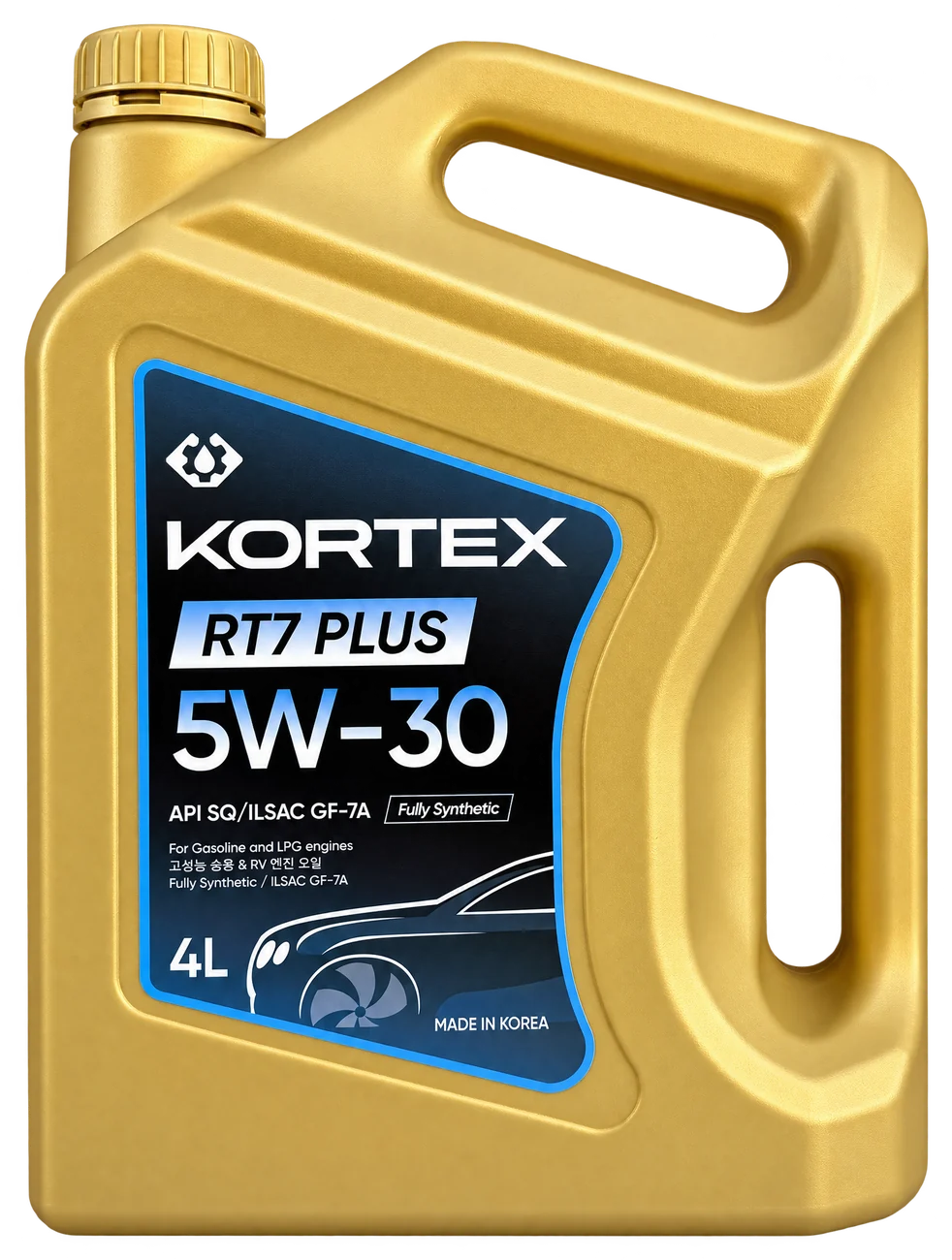
RT7 PLUS 5W-30 API SQ / ILSAC GF-7A
API SQ · GF-7A
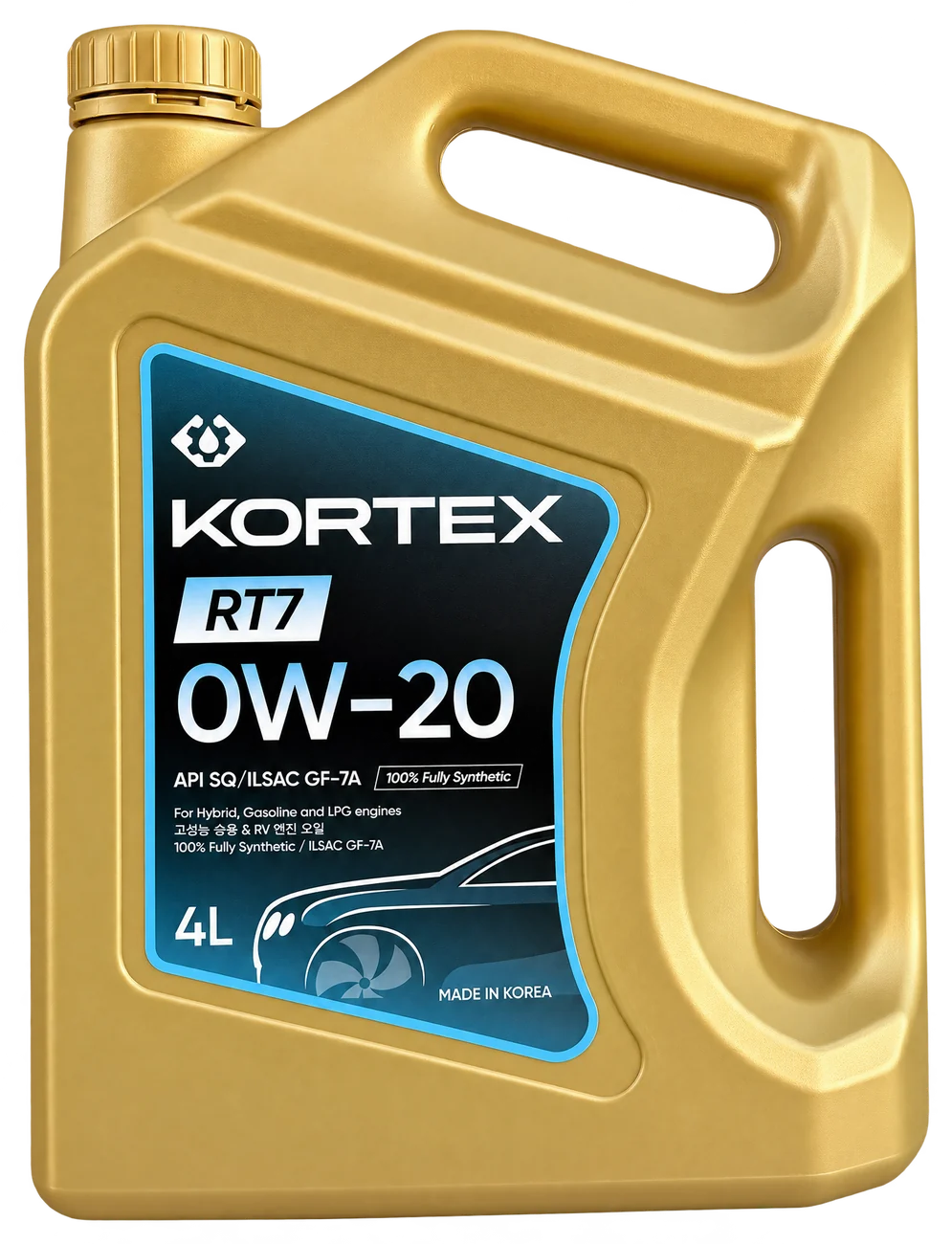
RT7 0W-20 API SQ / ILSAC GF-7A
API SQ · GF-7A
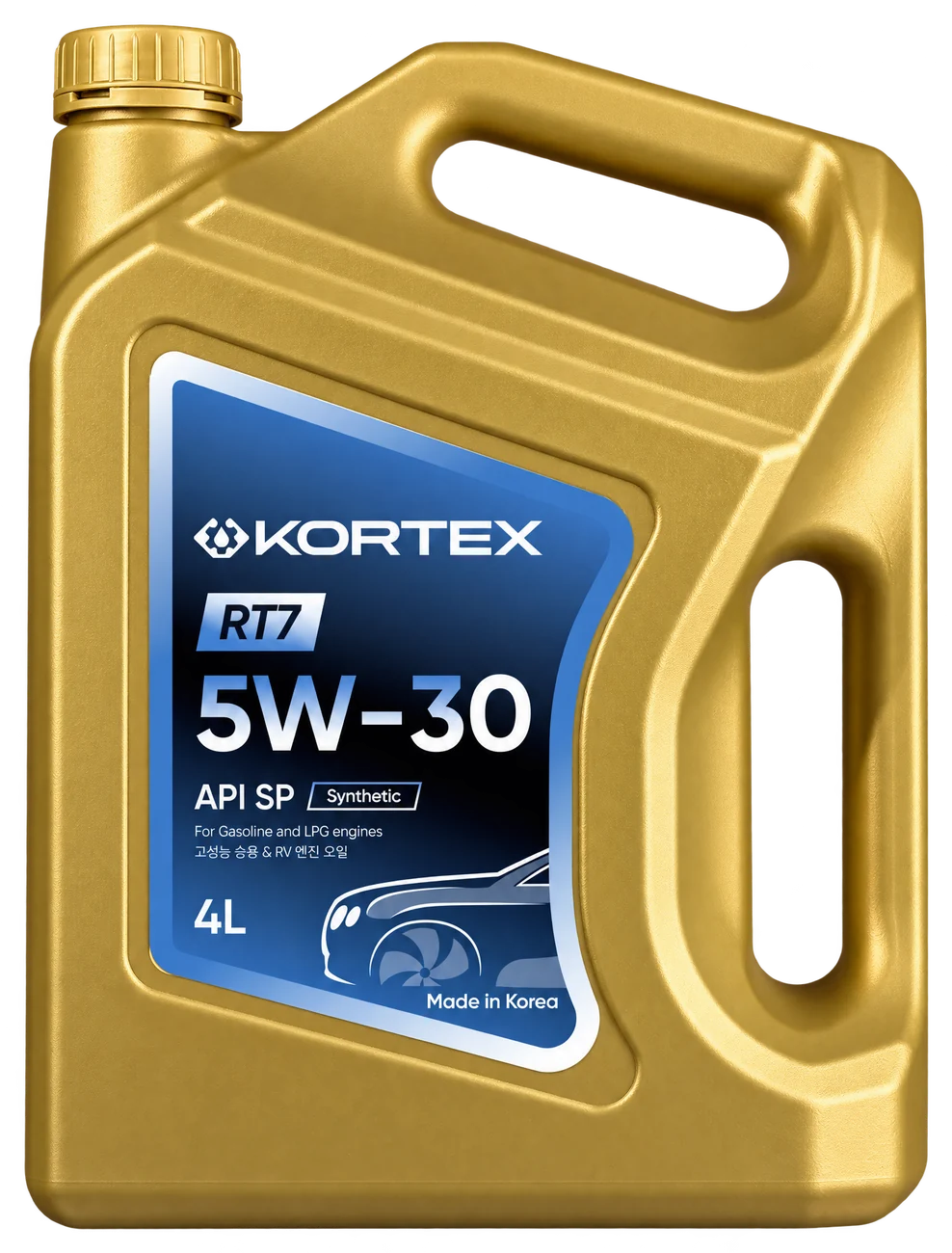
RT7 5W-30 API SP / ACEA A3-B4
API SP · ACEA A3/B4
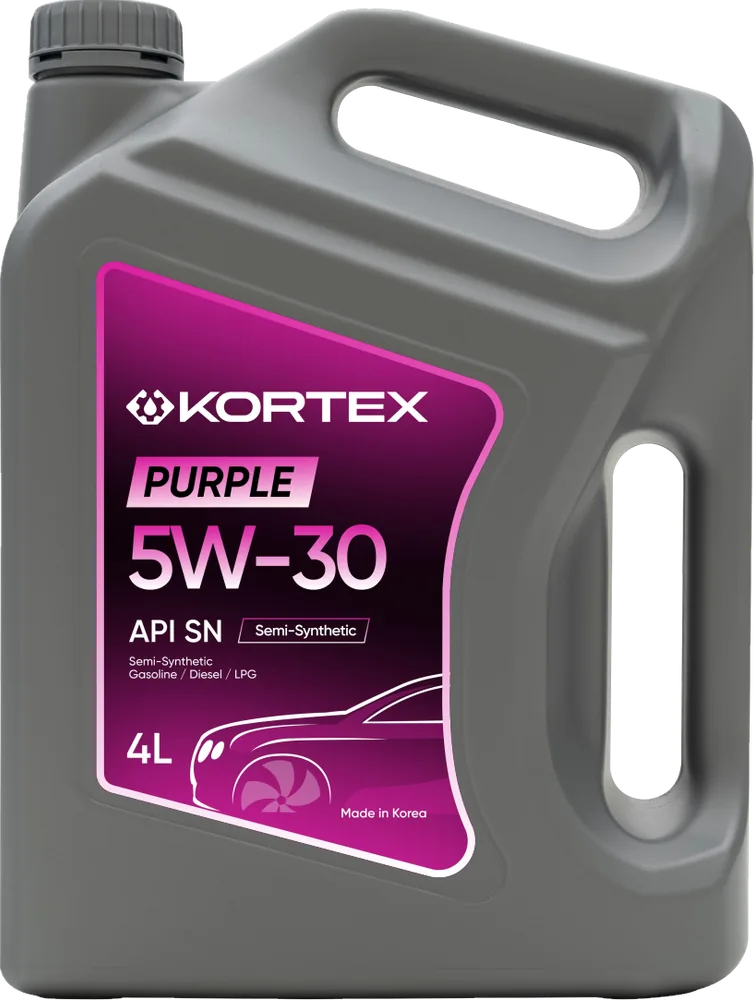
PURPLE 5W-30 API SN
API SN/CF · ACEA A3/B4
More in this section
- What does 5W-30 mean? How to read the SAE viscosity grade
- 5W-30 vs 5W-40: what is the difference and which suits Uzbekistan's climate?
- ACEA A3/B4, C2, C3 and C5 explained: European engine oil classes
- Synthetic vs semi-synthetic vs mineral oil: what is the difference?
- How to read an engine oil label: the 7 things to check
- What is dexos1 Gen 3 and which Chevrolet models require it?
Still have a question?
Our manager will help you choose an oil.