Gearboxes, diesel and machinery
Diesel oil grades explained: API CF-4, CI-4, CK-4 and ACEA E7
API grades
Grade | Status | What it was created for |
|---|---|---|
CF-4 | obsolete | diesels of the 1990s |
CH-4 | current | 1998 emissions standards; fuel with up to 0.5% sulfur |
CI-4 | current | from 2002; engines with an exhaust gas recirculation (EGR) system |
CJ-4 | current | 2010 standards; engines with a particulate filter (DPF), low ash |
CK-4 | current | 2017 standards; more resistant to oxidation and foaming |
FA-4 | current | only certain new engines; does not replace the earlier grades |
The newer C grades usually replace the earlier ones: CI-4 is suitable for an engine that calls for CH-4. FA-4 is the exception.
By the API definition, CF-4 is not suitable for most diesels built after 2009; it remains for older engines of simple design.
ACEA E classes
Class | Ash | Where |
|---|---|---|
E4 | full | Euro V and earlier diesels, extended interval; no filter |
E7 | full | Euro V and earlier diesels; no filter; usually comes together with API CI-4 |
E8 | reduced | modern diesels with a particulate filter (replaced E6 in 2022) |
E11 | reduced | diesels with a particulate filter (replaced E9 in 2022); usually together with API CK-4 |
For European trucks (MAN, Mercedes-Benz, Volvo, Scania), the manufacturer's own approval is also asked for: MAN M 3275, MB 228.3, Volvo VDS-3 and others.
Why the grade also depends on the fuel
Diesel fuel with a lot of sulfur forms acids when burned; the oil's reserve of alkalinity (TBN) neutralizes them. CH-4 and CI-4 are designed to work with fuel containing up to 0.5% sulfur. The low-ash CJ-4, CK-4 and especially FA-4 oils were created for clean fuel. For equipment with no particulate filter, a full-ash CI-4 or E7 oil is often the better choice.
Manufacturer requirements: examples
- KamAZ 740 family. According to the KamAZ information bulletin, Euro-2 and lower engines take oil of not less than API CF-4, Euro-4/5 engines not less than CI-4.
- Isuzu N-series (NPR, NQR). The Isuzu service manual gives SAE 15W-40, API CH-4/CI-4 or JASO DH-1.
- Shacman, HOWO. Usually SAE 15W-40, API CH-4 and higher; the exact requirement is in the equipment's service booklet.
Viscosity
The most common grade in heavy diesels is 15W-40. 10W-40 is for cold regions and modern engines, 20W-50 for older engines working in hot conditions, where the manual permits.
In the KORTEX catalog
- HD700 15W-40: the label states API CI-4/SL; for trucks, buses and construction equipment.
- HD700 20W-50: API CI-4/SL.
- HD500 20W-50: API CF-4, mineral; for older-design diesels and heavy equipment.
- CNG 15W-40: API CI-4; for trucks, buses and special equipment running on methane.
All come in 20 liter containers. For fleet selection and wholesale terms: For partners.
FAQ
Can I put truck oil in a passenger car diesel?
Only if the label also lists a passenger car class (for example ACEA A3/B4 or C3) and it meets the manual's requirement. Heavy-duty diesel oils have a different additive package and often do not suit passenger diesels with a particulate filter.
Which is better, CI-4 or CK-4?
It depends on the engine. CK-4 suits a modern engine with a particulate filter; CI-4 suits equipment with no filter, running on fuel with more sulfur. Follow the grade in the manual.
Sources
- API — Oil Categories
- ACEA European Oil Sequences for Heavy-Duty Engines (2022)
- KamAZ information bulletin No. 17-917-2026 — lubricants
- Isuzu Truck Warranty & Service Guide
- KORTEX product labels
Related products
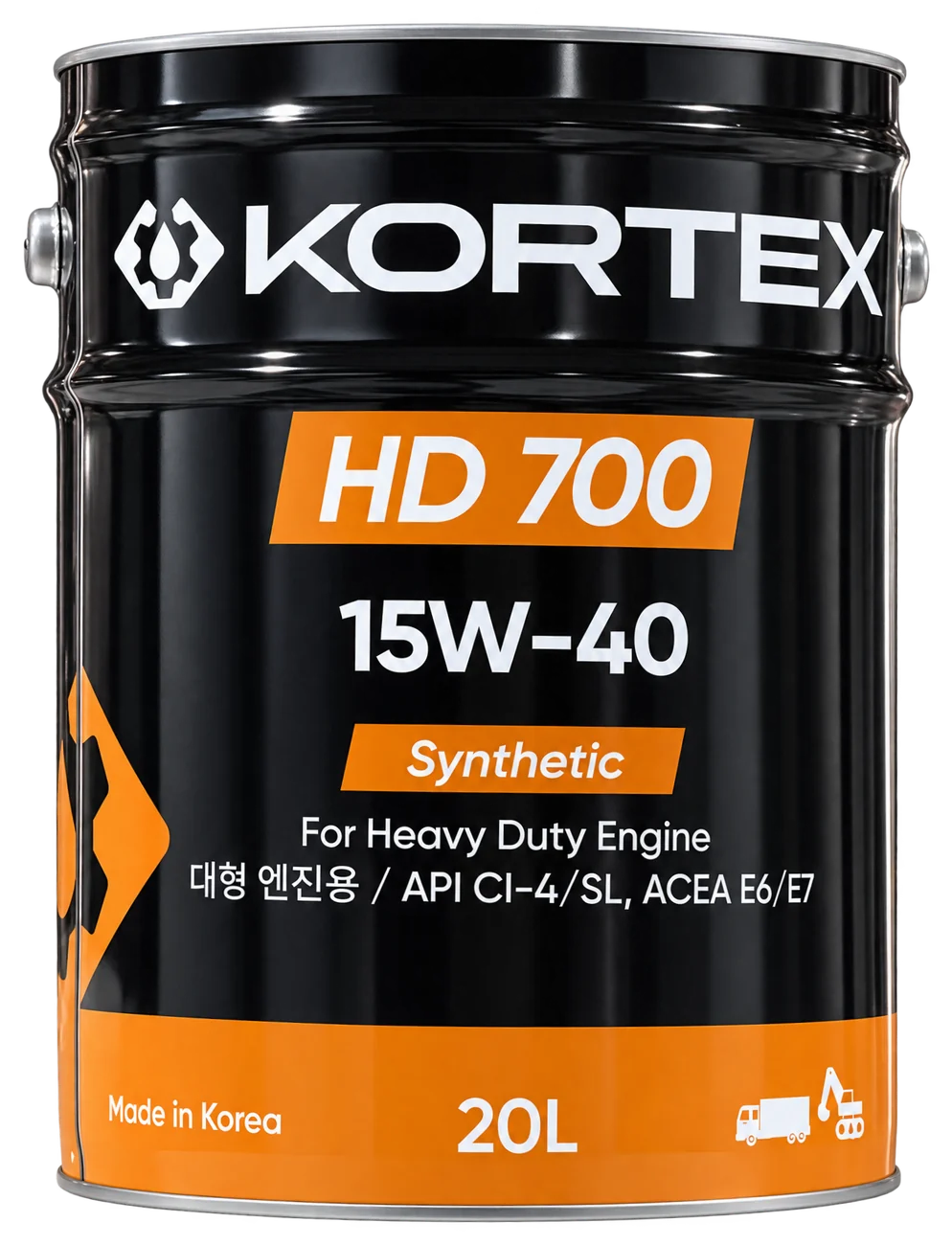
HD700 15W-40 API CI-4
API CI-4/SL · ACEA E6/E7
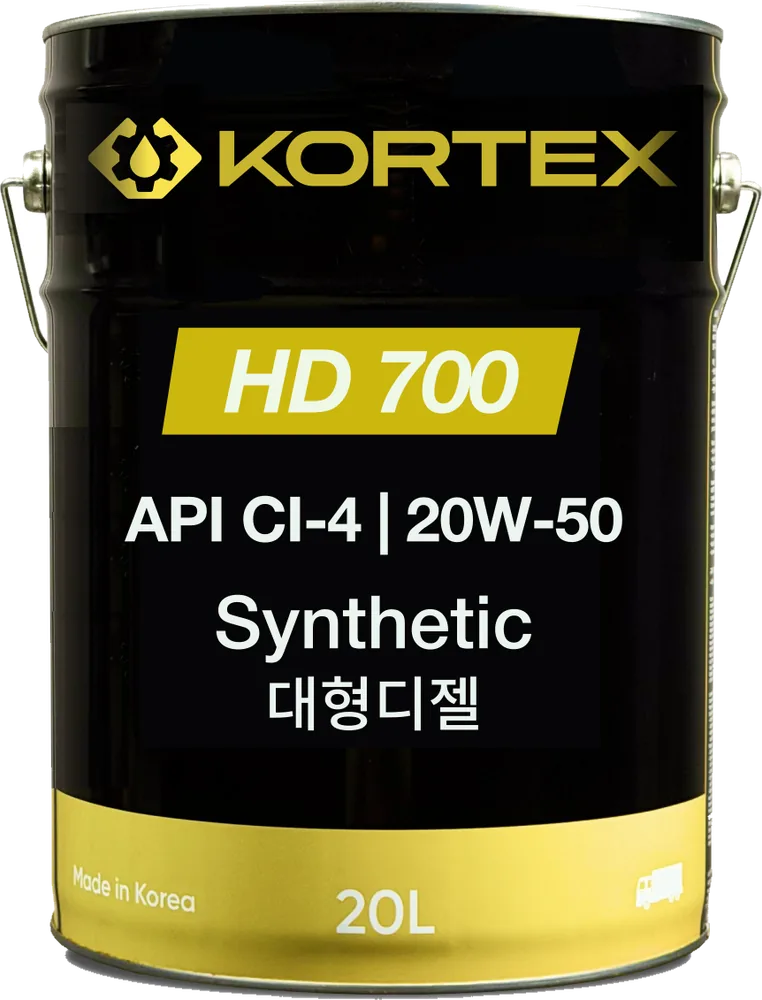
HD700 20W-50 API CI-4
API CI-4/SL · ACEA E4/E6/E7-22
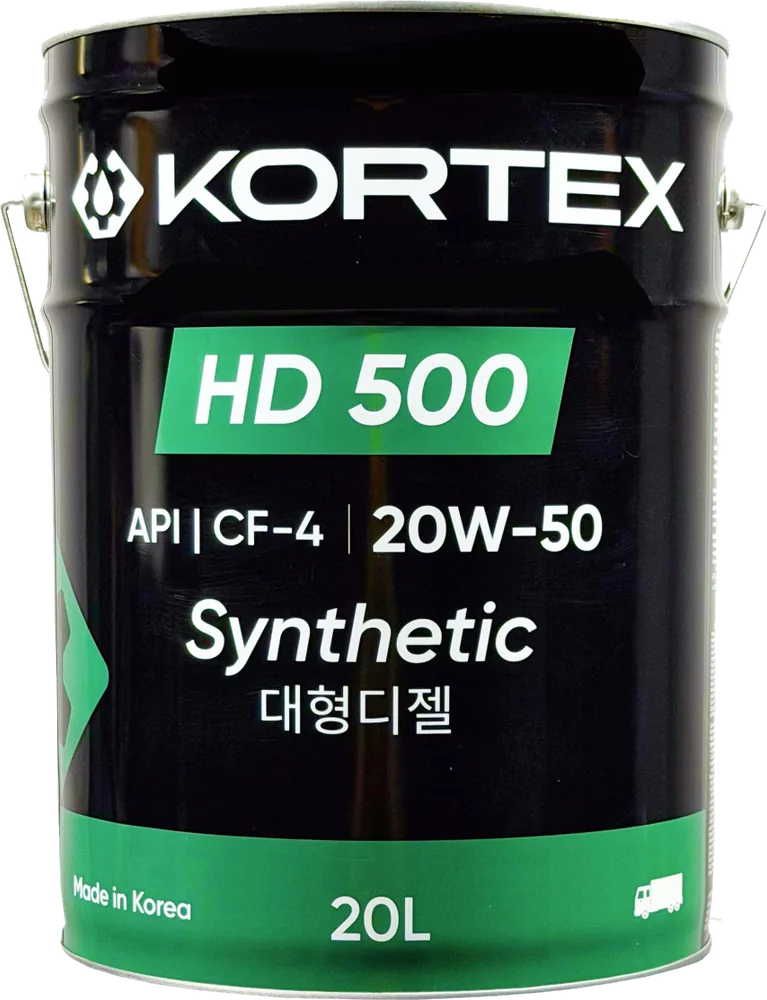
HD500 20W-50 API CF-4
API CF-4 · ACEA E4/E7
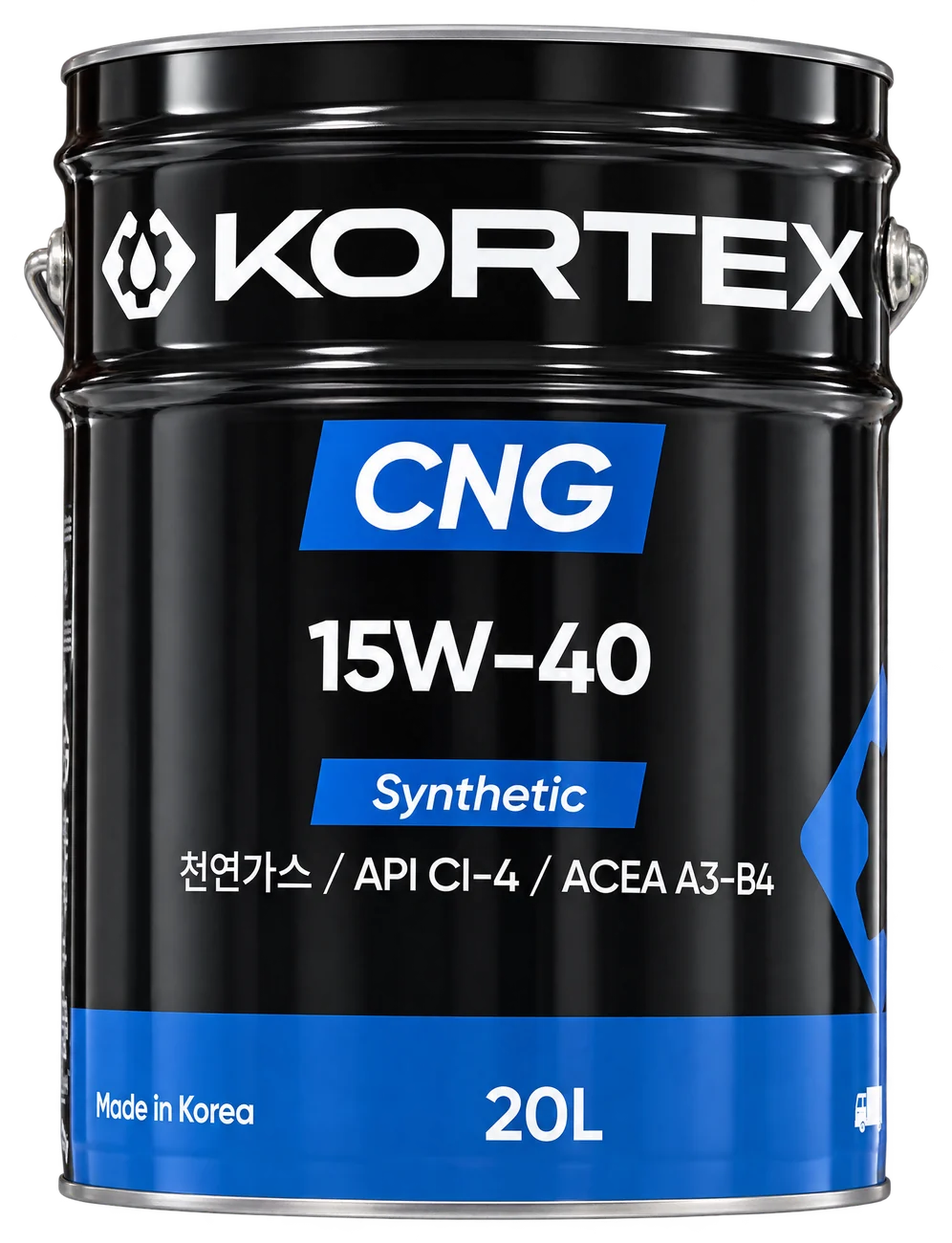
CNG 15W-40 API CI-4 / ACEA A3-B4
API CI-4 · ACEA A3/B4
Still have a question?
Our manager will help you choose an oil.