Basics: grades and classes
Synthetic vs semi-synthetic vs mineral oil: what is the difference?
Every engine oil has two parts: base oil (roughly 75–90%) and an additive package. The additives provide cleaning, wear resistance and protection against oxidation; the base determines how well the oil withstands temperature.
Base oil groups
API divides base oils into five groups:
Group | How it is made | Characteristic |
|---|---|---|
I | solvent refining of crude oil | saturated hydrocarbons below 90%, viscosity index 80–120 |
II | hydrotreating | saturates 90% or more, index 80–120 |
III | deep hydrocracking | saturates 90% or more, index 120 and above |
IV | synthesis (polyalphaolefins) | flows very well in the cold, stable |
V | everything else (esters and others) | for special uses |
On the market, oils based on group III, IV and V are sold as "synthetic". There is no single international definition of "fully synthetic" and "semi-synthetic", so two oils with the same wording on the label can differ in composition.
How they differ in practice
Mineral | Semi-synthetic | Synthetic | |
|---|---|---|---|
Flow in the cold | slower | moderate | good (0W, 5W grades) |
Resistance to oxidation when hot | lower | moderate | high |
Loss by evaporation | more | moderate | less |
Typical viscosity grades | 15W-40, 20W-50 | 10W-30, 10W-40 | 0W-20, 5W-30, 5W-40 |
Price | cheap | moderate | more expensive |
A modern API SP oil in grade 0W-20 or 5W-30 cannot be made on a mineral base; in practice these grades require a synthetic base.
What to choose by
- Viscosity grade: the SAE grade in the manual.
- Quality class: API, ACEA or the manufacturer's specification.
- Base type: among oils that meet the two requirements above.
Some manuals state the base explicitly. For example, the Tracker and Onix manuals call for "fully synthetic engine oil".
In KORTEX lines
- RT7: the label says "fully synthetic": RT7 5W-30, RT7 5W-40 and others.
- PURPLE: semi-synthetic, for example PURPLE 10W-40.
- HD500: mineral oil for heavy-duty equipment: HD500 20W-50.
FAQ
If I put synthetic oil in an old engine, will it leak?
Synthetic oil does not damage seals by itself: modern grades include a seal compatibility test. Leaks usually come from worn oil seals and need repair whatever type of oil is used.
Do I have to flush the engine when switching from mineral to synthetic?
No. It is enough to drain the old oil completely and replace the filter. In a very dirty engine it helps to shorten the first change interval.
Sources
- API 1509, Annex E — base oil groups
- UzAuto Motors: Chevrolet Tracker and Onix owner's manuals
Related products
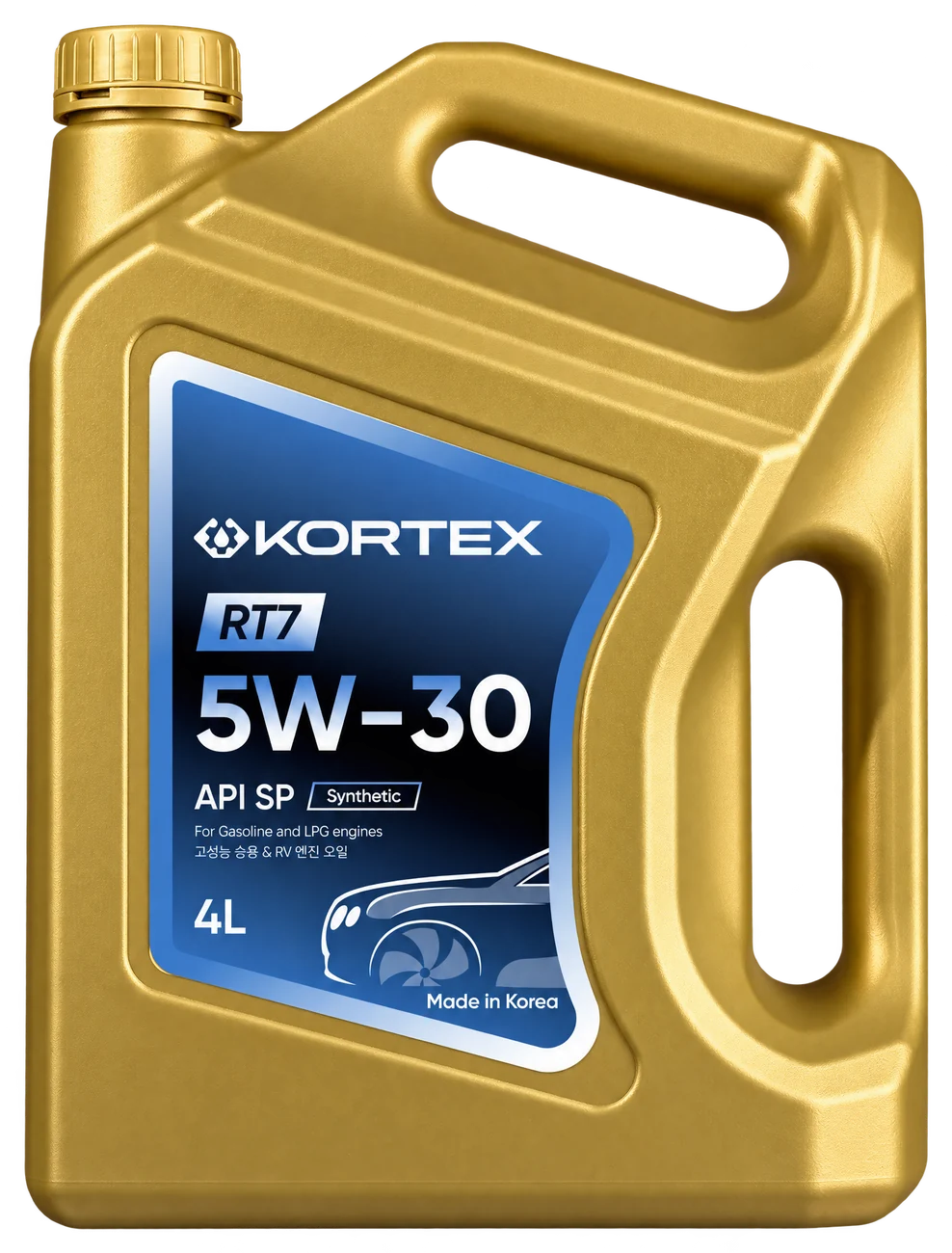
RT7 5W-30 API SP / ACEA A3-B4
API SP · ACEA A3/B4
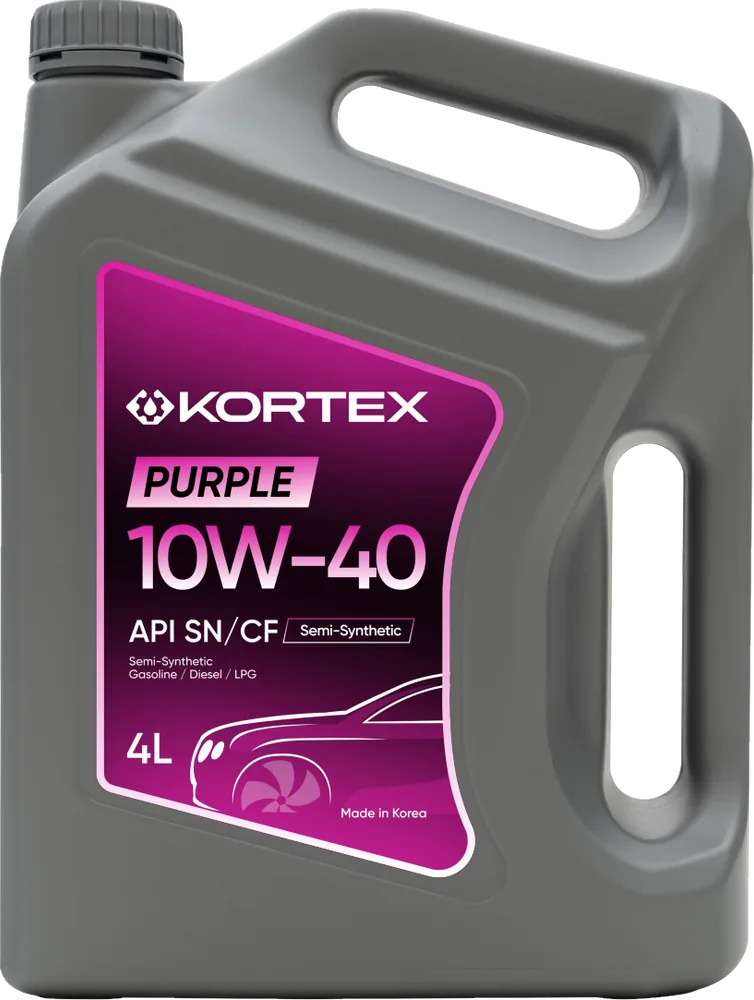
PURPLE 10W-40 API SN/CF
API SN/CF · ACEA A3/B3/B4
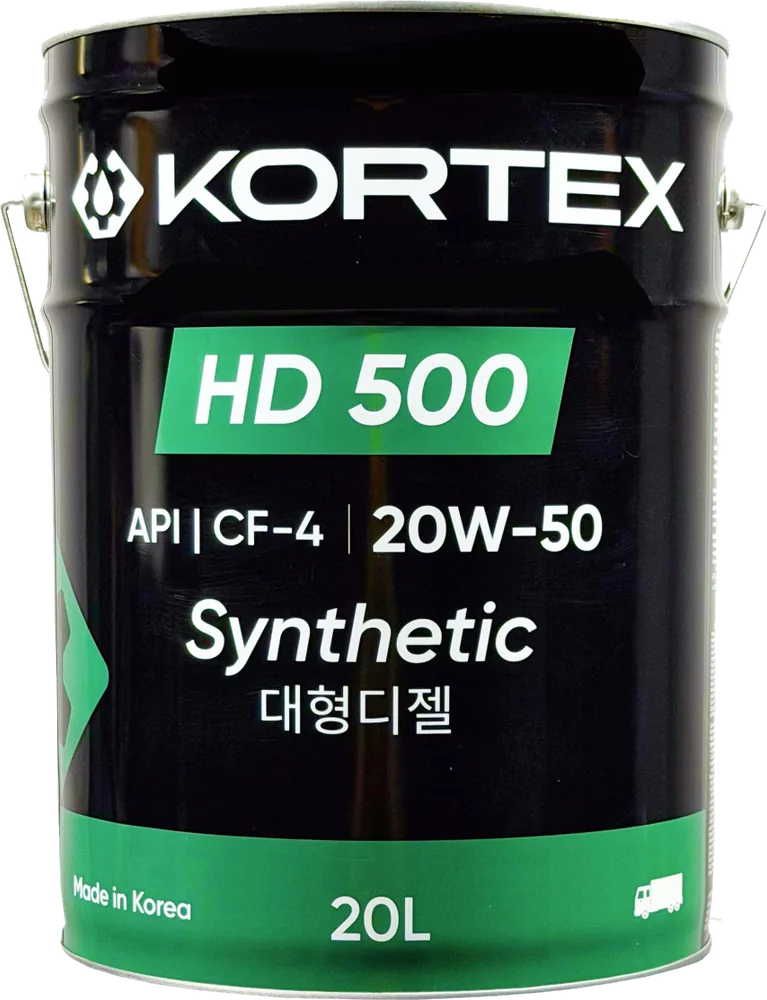
HD500 20W-50 API CF-4
API CF-4 · ACEA E4/E7
More in this section
- What does 5W-30 mean? How to read the SAE viscosity grade
- 5W-30 vs 5W-40: what is the difference and which suits Uzbekistan's climate?
- API SN, SP and SQ explained: what gasoline engine oil grades mean
- ACEA A3/B4, C2, C3 and C5 explained: European engine oil classes
- How to read an engine oil label: the 7 things to check
- What is dexos1 Gen 3 and which Chevrolet models require it?
Still have a question?
Our manager will help you choose an oil.