Basics: grades and classes
What does 5W-30 mean? How to read the SAE viscosity grade
The biggest print on the can is usually this: 0W-20, 5W-30, 10W-40. It describes only how thick the oil is, not how good it is. Quality is shown by separate markings, covered in the articles on API grades and ACEA grades.
The first part: cold behavior
W stands for winter. The lower the number, the more easily the oil flows in the cold and the more easily a cold engine turns over. For each grade the standard sets two tests: the temperature at which the starter can still crank the engine, and the temperature at which the pump can still draw the oil in.
Grade | Cranking test | Pumping test |
|---|---|---|
0W | −35 °C | −40 °C |
5W | −30 °C | −35 °C |
10W | −25 °C | −30 °C |
15W | −20 °C | −25 °C |
20W | −15 °C | −20 °C |
So 5W does not mean "down to −5 °C": a 5W oil has to be pumpable even at −35 °C.
The second part: thickness in a hot engine
The second number shows how thick the oil is at 100 °C. The higher the number, the thicker the oil stays in a hot engine.
Grade | Kinematic viscosity at 100 °C, mm²/s | HTHS (150 °C), minimum, mPa·s |
|---|---|---|
20 | 6.9 to 9.3 | 2.6 |
30 | 9.3 to 12.5 | 2.9 |
40 | 12.5 to 16.3 | 3.5 (0W-40, 5W-40, 10W-40) or 3.7 (15W-40, 20W-40) |
50 | 16.3 to 21.9 | 3.7 |
HTHS is the viscosity the oil keeps at 150 °C under high shear, as in the friction at high speed. It is the figure closest to the thickness of the oil film in bearings and piston rings.
Which grade to choose
The grade is chosen by the engine designer, not the driver: clearances, the oil pump and the hydraulic lifters are all built for a particular thickness. So the first source is your car's owner's manual, which gives either a single grade or a table by temperature.
FAQ
Are 5W-30 and 5W-40 the same in the cold?
Yes, both meet the requirements of the 5W grade. The difference is only in a hot engine: grade 40 is thicker. More in 5W-30 vs 5W-40.
Isn't 0W-20 too thin?
0W-20 is the right choice for engines designed for that grade: they have small clearances and narrow oil passages. It should not go into an older engine designed for a different grade unless the manual lists it.
Sources
- SAE J300 — Engine Oil Viscosity Classification (2021 edition)
- UzAuto Motors: Chevrolet Cobalt, Nexia and Lacetti (Gentra) owner's manuals
Related products
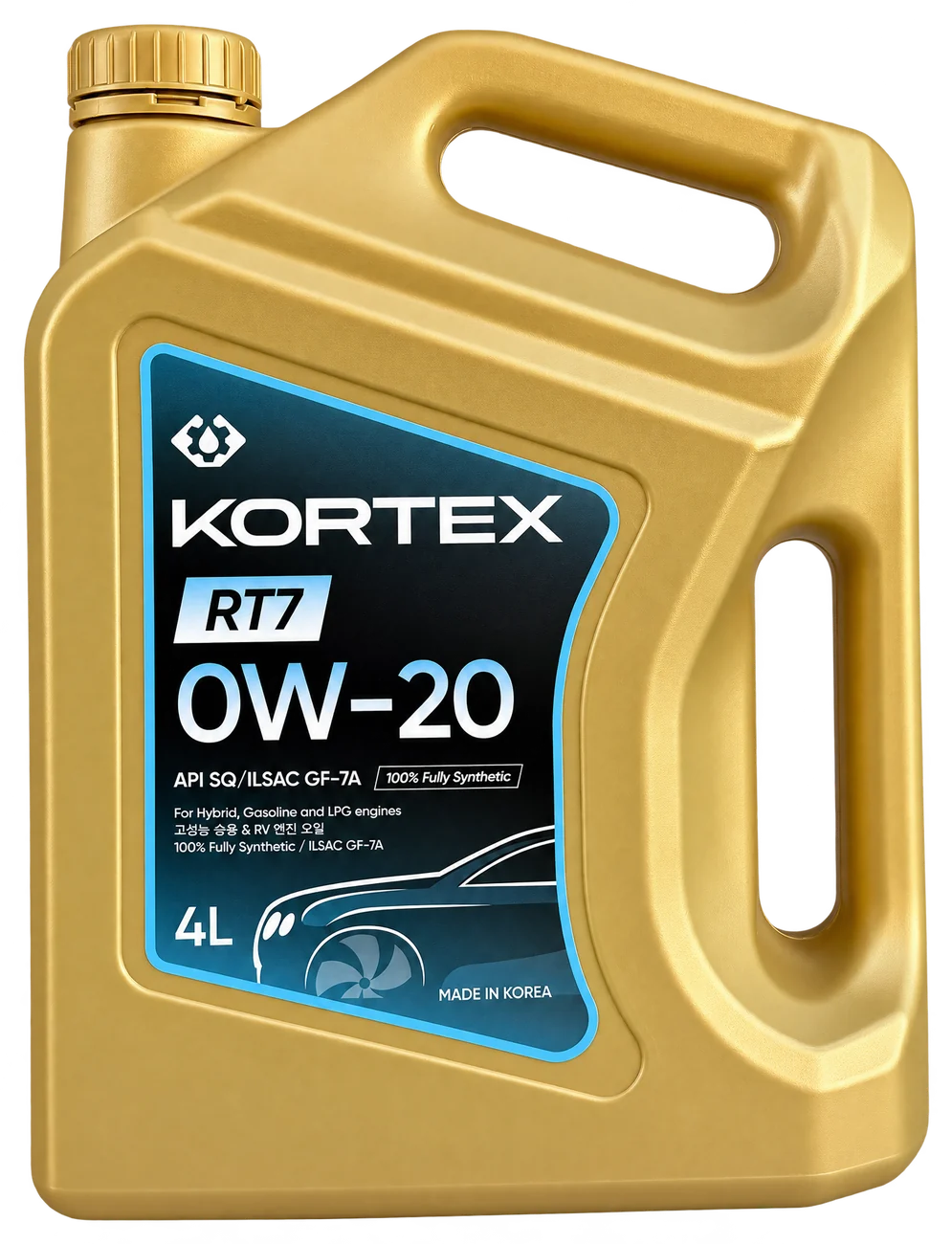
RT7 0W-20 API SQ / ILSAC GF-7A
API SQ · GF-7A
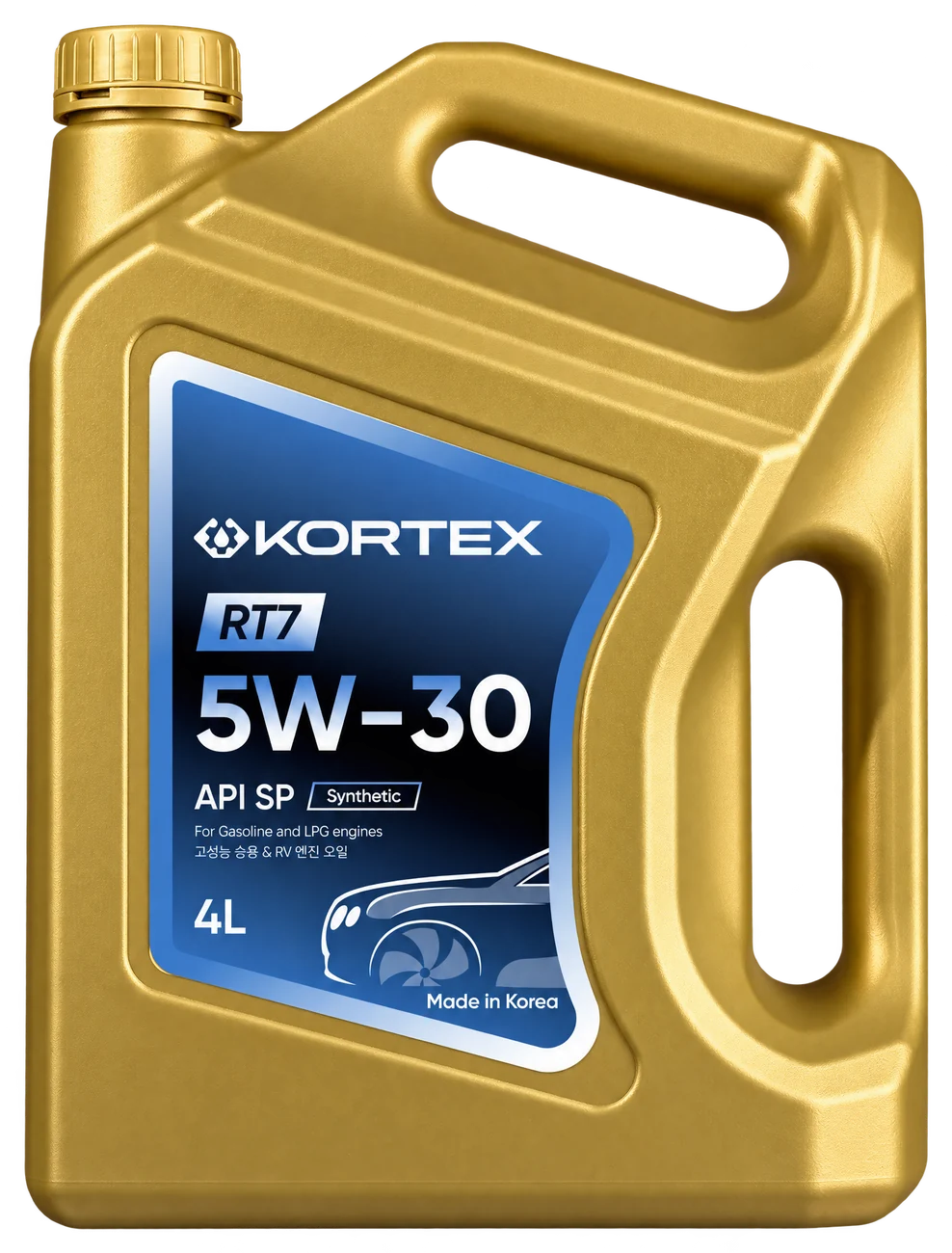
RT7 5W-30 API SP / ACEA A3-B4
API SP · ACEA A3/B4
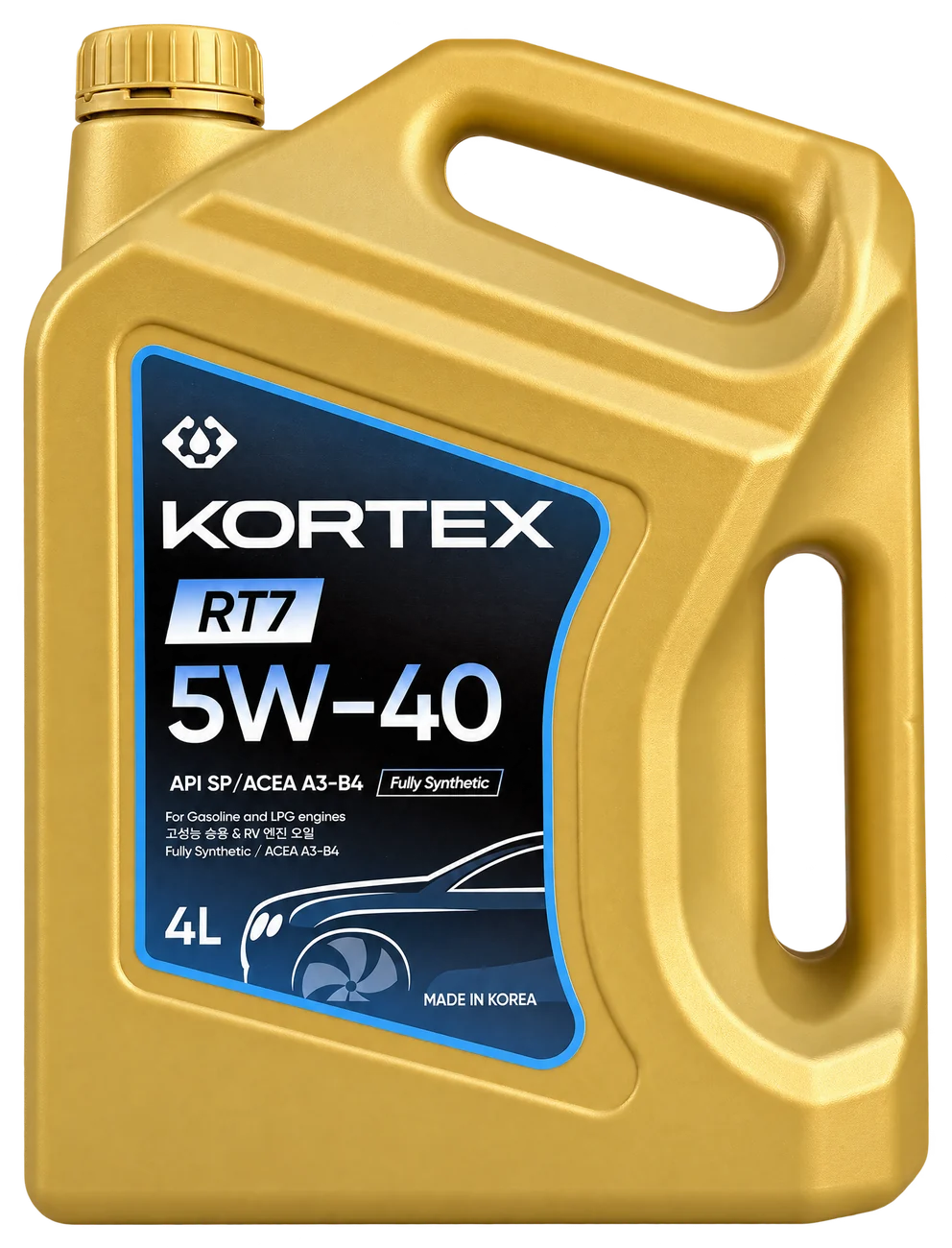
RT7 5W-40 API SP / ACEA A3-B4
API SP · ACEA A3/B4
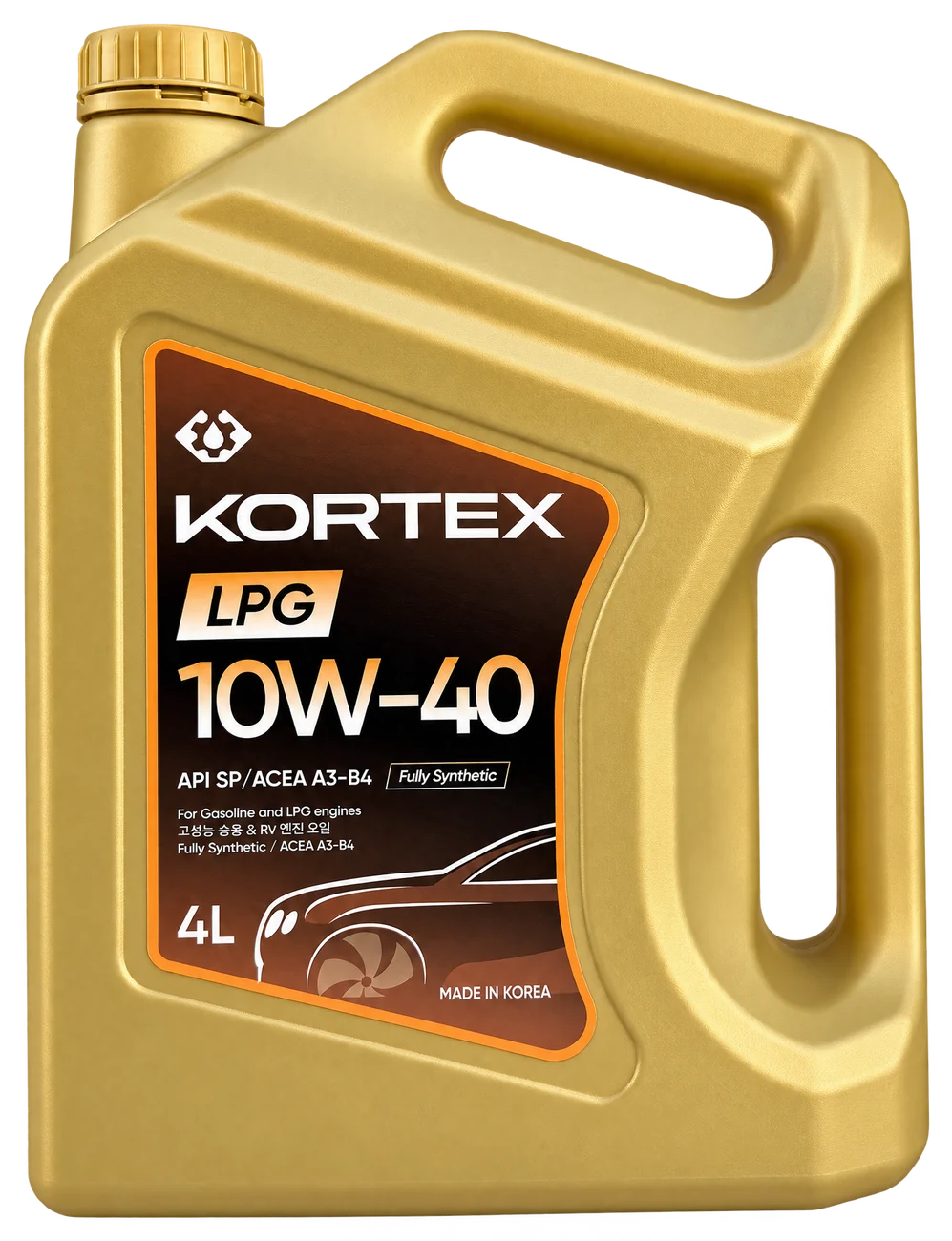
LPG 10W-40 API SP / ACEA A3-B4
API SP · ACEA A3/B4
More in this section
- 5W-30 vs 5W-40: what is the difference and which suits Uzbekistan's climate?
- API SN, SP and SQ explained: what gasoline engine oil grades mean
- ACEA A3/B4, C2, C3 and C5 explained: European engine oil classes
- Synthetic vs semi-synthetic vs mineral oil: what is the difference?
- How to read an engine oil label: the 7 things to check
- What is dexos1 Gen 3 and which Chevrolet models require it?
Still have a question?
Our manager will help you choose an oil.