Basics: grades and classes
ACEA A3/B4, C2, C3 and C5 explained: European engine oil classes
Main classes for passenger cars
Class | HTHS (150 °C), mPa·s | Ash content | Where it is used |
|---|---|---|---|
A3/B4 | 3.5 and above | full | high-load gasoline and diesel engines |
A5/B5 | 2.9–3.5 | full | engines designed for low-viscosity oil |
A7/B7 | 2.9–3.5 | full | A5/B5 plus protection against LSPI and turbocharger deposits |
C2 | 2.9 and above | mid (up to 0.8%) | fuel-efficient engines with a particulate filter |
C3 | 3.5 and above | mid (up to 0.8%) | particulate filter or three-way catalyst |
C4 | 3.5 and above | low (up to 0.5%) | requirement of some manufacturers |
C5 | 2.6–2.9 | mid (up to 0.8%) | modern engines designed for 0W-20 |
C6 | 2.6–2.9 | mid (up to 0.8%) | C5 plus protection against LSPI and chain wear |
A7/B7 and C6 were added in the 2021 edition; in 2023 C7 was introduced for even lower-viscosity oils.
Why ash matters
Sulfated ash, phosphorus and sulfur (SAPS) are components of oil additives. They protect the engine, but when burned they leave deposits in the particulate filter and catalyst. That is why the C classes were created for diesels with filters and some modern gasoline engines.
Why HTHS matters
With low HTHS (C5, A5/B5) the oil is thinner and fuel is saved, but the engine must be designed for it. Classes with HTHS above 3.5 (A3/B4, C3) give a thicker oil film. This is why the classes cannot be swapped for each other.
E classes for heavy-duty equipment
E4 and E7 are for diesels without a particulate filter; E8 and E11 are for modern diesels with a filter (they replaced E6 and E9 in 2022). More in diesel oil grades.
How to choose
- Find the ACEA class in the manual (for example "ACEA C5 0W-20" or "A3/B4").
- Check that exactly this class is on the label.
- If the manual gives both API and ACEA, one of them is usually enough; read the text carefully.
In the KORTEX catalog, oils with ACEA A3/B4 on the label are RT7 5W-30 and RT7 5W-40; with ACEA C3, GOLD 0W-40.
FAQ
Can I use C3 instead of A3/B4?
Only if the manual permits it. They are close in HTHS, but the additive makeup is different. In many manuals both are listed.
If both ACEA and API are written, which is more important?
Whichever your car's manual requires. European makes usually specify ACEA; Korean, Japanese and American makes specify API or ILSAC.
Sources
- ACEA European Oil Sequences for Light-Duty Engines (2021 and 2023 editions)
- ACEA European Oil Sequences for Heavy-Duty Engines (2022)
- UzAuto Motors: Chevrolet Cobalt, Nexia and Lacetti (Gentra) owner's manuals
Related products
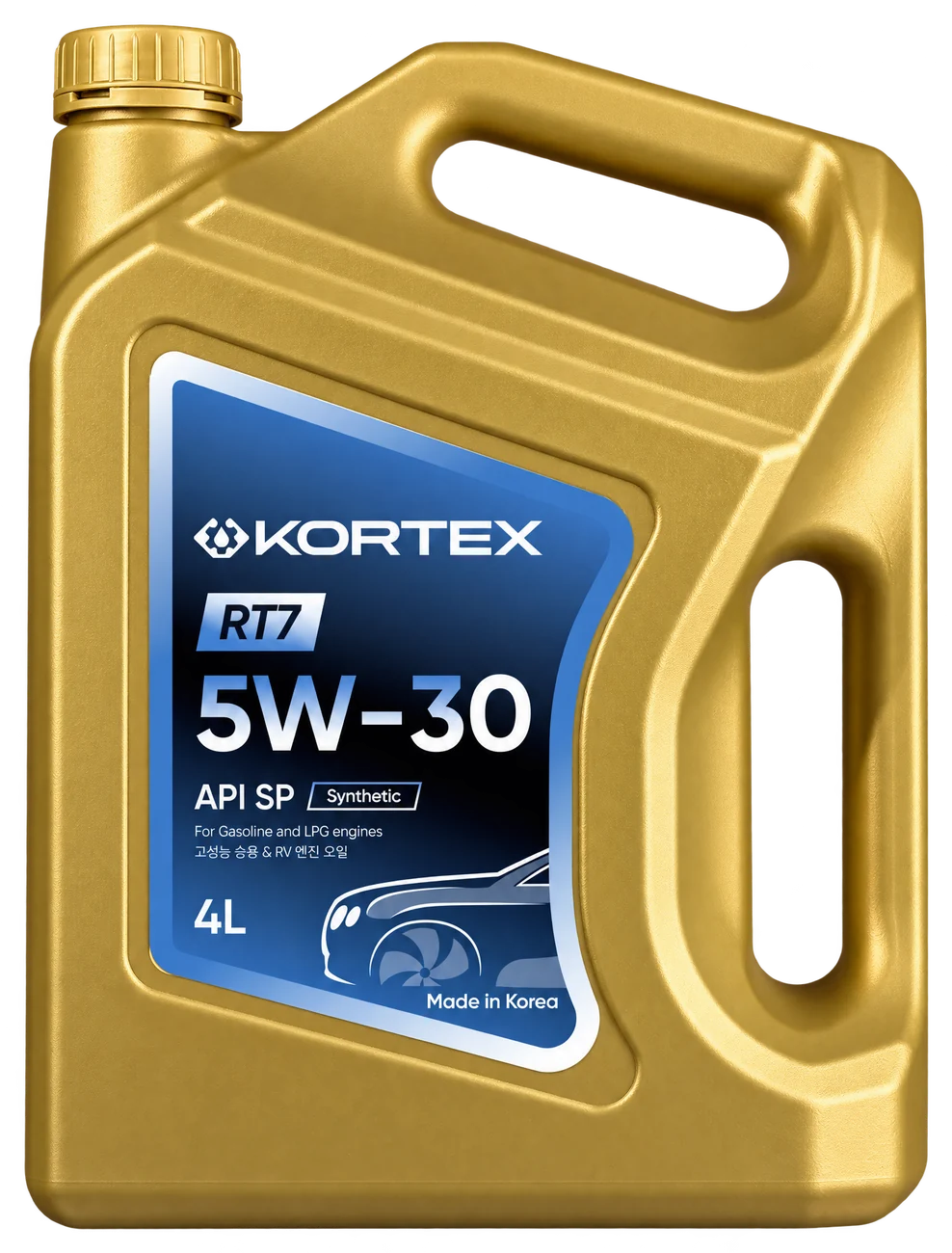
RT7 5W-30 API SP / ACEA A3-B4
API SP · ACEA A3/B4
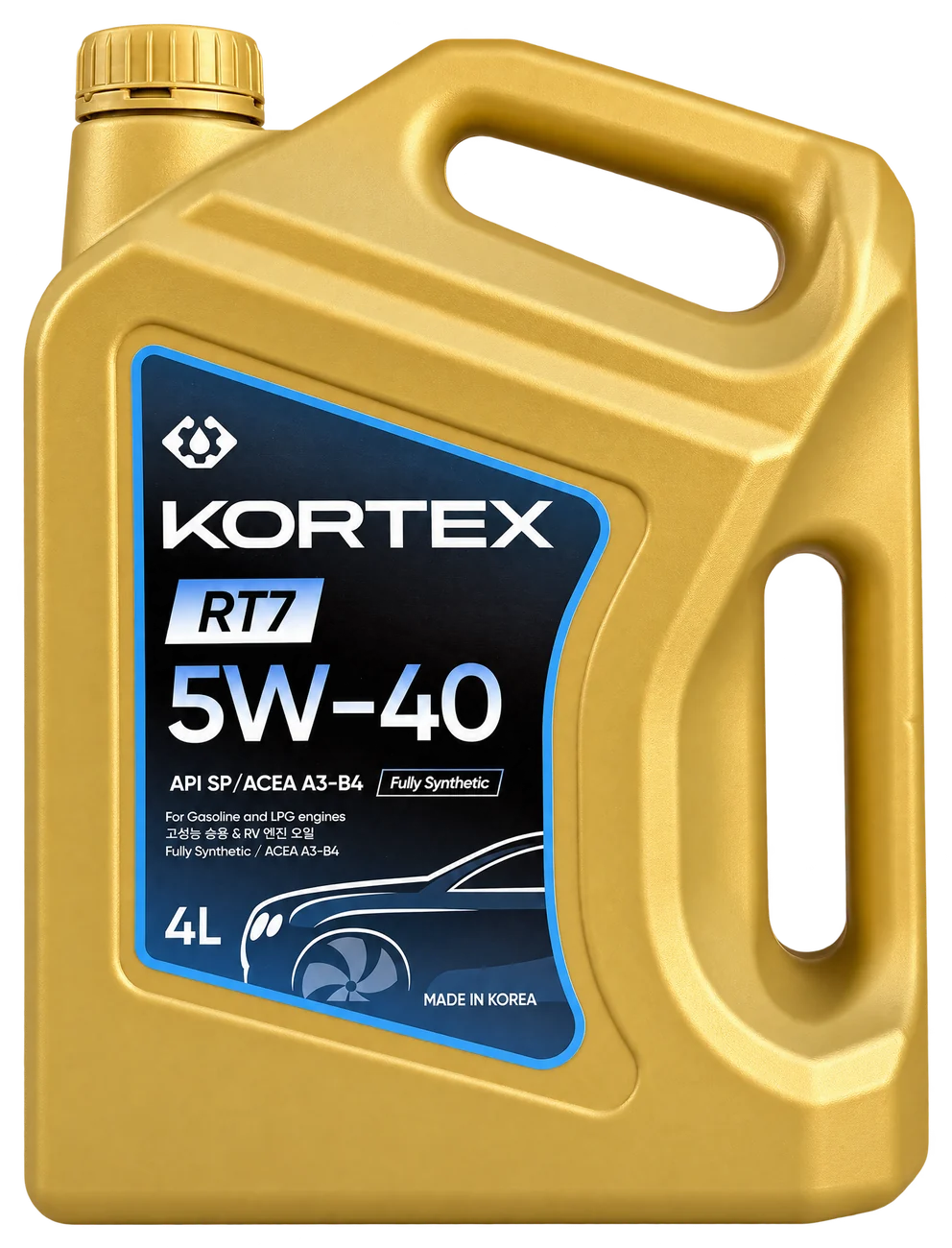
RT7 5W-40 API SP / ACEA A3-B4
API SP · ACEA A3/B4
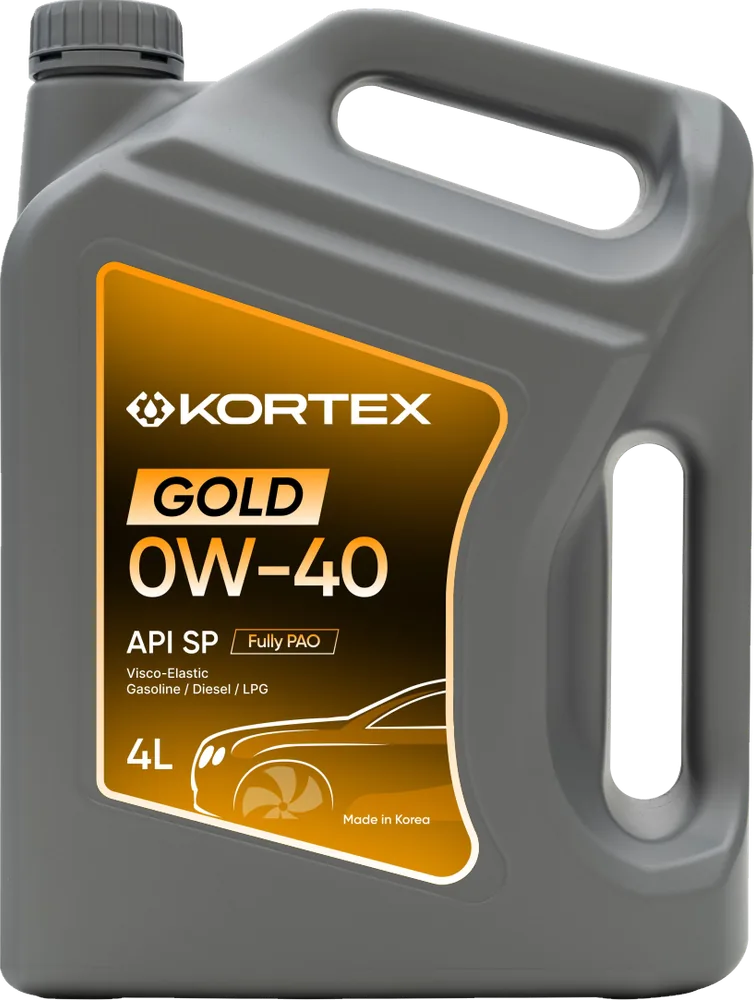
GOLD 0W-40 API SP
API SP · ACEA C3
More in this section
- What does 5W-30 mean? How to read the SAE viscosity grade
- 5W-30 vs 5W-40: what is the difference and which suits Uzbekistan's climate?
- API SN, SP and SQ explained: what gasoline engine oil grades mean
- Synthetic vs semi-synthetic vs mineral oil: what is the difference?
- How to read an engine oil label: the 7 things to check
- What is dexos1 Gen 3 and which Chevrolet models require it?
Still have a question?
Our manager will help you choose an oil.